
How to Get a Job in Dubai in 2026
Let’s start with the truth about finding a job in Dubai in 2026. Everyone dreams of the lifestyle, the skyline, the tax-free salary, but the job market works differently than people think. So before you dive into applications, we’re going to reset your expectations and show you the real path that gets people hired this year.
Dubai has always been competitive, but 2026 pushed things to a new level. The city is getting flooded with talent from Europe, Africa, and Asia. Every job posting gets hundreds of applicants within hours. Recruiters are filtering people out faster than ever because the volume is unreal. The old approach of emailing CVs around, waiting for referrals, or hoping someone knows someone is no longer enough.
What actually moves the needle in 2026 is speed. Companies want candidates who can show up fast, onboard fast, and add value fast. Dubai’s entire hiring culture has shifted into a performance-driven environment where automation gives you a real advantage. And that is why we’re not just talking about where to apply. We’re talking about visas, industries, ATS filters, and how people are using AI tools to get shortlisted without burning out.
By the end of this guide, you’ll understand the exact systems that work in Dubai today, whether you’re on a tourist visa trying to maximize your time or applying from another country. You’ll see the industries hiring the fastest, the visas that make recruiters take you seriously, and the automation tools that multiply your chances in a market this crowded.
Let’s get into it.
Dubai Job Market in 2026
Dubai in 2026 is not the same market that people were talking about a few years ago. The city has shifted from being heavily hospitality-focused to becoming one of the fastest-growing tech and business hubs in the world. The government has been pouring money into digital infrastructure, healthcare expansion, financial innovation, and green energy. That means more companies are hiring, but they’re also becoming selective because the talent pool has grown dramatically.
Tech continues to lead the hiring push. Web3 companies, fintech startups, AI labs, and global tech firms have all set up offices in Dubai to take advantage of the UAE’s business-friendly rules. Healthcare is booming because the population keeps growing, and private hospitals are expanding aggressively. Real estate and construction haven’t slowed either, especially with new megaprojects and foreign investment coming in.
There’s also a big shift toward remote-friendly companies. Dubai is attracting digital nomads and remote teams who want the lifestyle but work for companies abroad. That means more hybrid and remote listings tied to Dubai salaries. On top of that, small and mid-sized companies are hiring faster because they want people who can start immediately, not candidates stuck in long relocation processes.
But even with all these opportunities, competition is intense. A single opening for a marketing role can get over a thousand applicants in a week. Recruiters rely heavily on ATS filters to deal with the volume, which is why understanding keywords and CV structure matters just as much as experience.
Dubai Visa Guide 2026
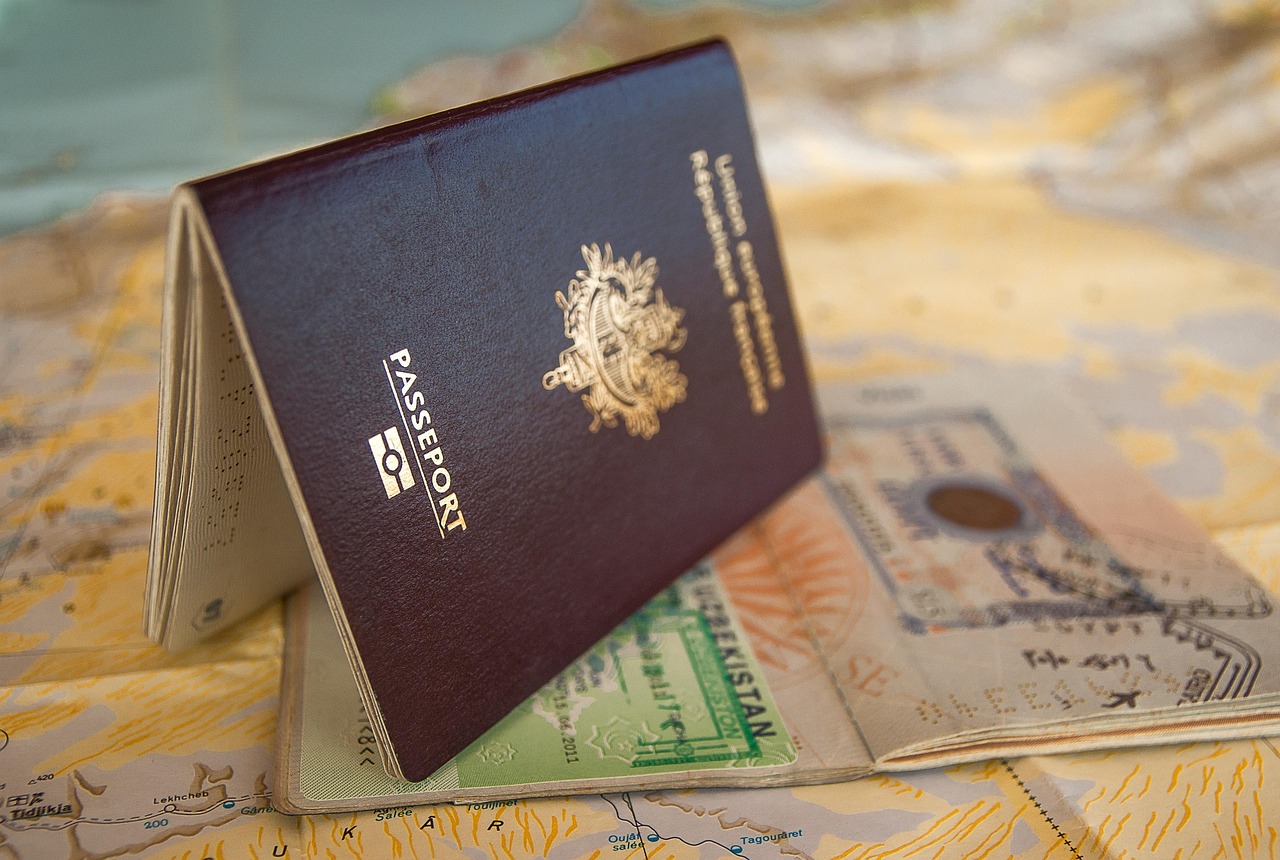
Dubai’s visa system has changed a lot over the past few years. The government introduced faster processing, more long-term options, and visa types designed specifically for job seekers. Recruiters also shifted their mindset. They now prioritize candidates who already have a clear, active visa status because it removes delays and makes hiring smoother. That means the type of visa you have can directly impact how quickly you get shortlisted. Here are the visas that make the biggest difference this year.
Golden Visa
People with a Golden Visa usually see better response rates because companies know there are no sponsorship delays. You’re already settled, already allowed to work, and already stable. But the Golden Visa is not the easiest or fastest option unless you meet the high criteria.
Green Visa
This visa is made for skilled professionals and freelancers who want a long-term base in the UAE without needing a company sponsor. It signals to employers that you’re serious about staying in Dubai and can begin work without the usual complications. Recruiters tend to prioritize Green Visa holders over tourist visa applicants because it reduces onboarding steps.
Job Seeker Visa
The Job Seeker Visa gives you a legal window to apply and interview inside the UAE. Companies like it because they can meet you quickly and hire without waiting for relocation. If you’re planning to fly in and maximize your time in Dubai, this visa makes you far more competitive than applying from abroad.
Sponsored Work Visa
This is still the most common path for people moving into Dubai. Even though it takes a little processing time, companies in tech, finance, consulting, and healthcare handle these quickly because they’re used to hiring international talent.
Quick Checklist for Any Visa
Recruiters in Dubai always check a few things before anything else. Make sure you have these ready:
- A clear visa status is stated on your CV
- Passport with at least six months’ validity
- An attested degree is required for your field
- Updated Emirates ID if you already live in Dubai
Once your visa situation is clear and strong, your chances of getting shortlisted increase immediately. And now that you know what visa puts you in the best position, we can talk about something most job seekers still misunderstand: why the old job search approach is failing in Dubai.
The Old Way vs The Automated Way
For years, the Dubai job search looked the same. You updated your CV, applied on 10 to 20 job boards, waited, followed up, maybe emailed a recruiter, and hoped something landed. This method used to work because the volume wasn’t insane. Recruiters had time to look at individual profiles. The competition wasn’t global. A referral could push you forward. That world is gone.
In 2026, Dubai is pulling applicants from every direction. Europe is sending laid-off tech talent. Asia is sending highly skilled professionals. Africa is sending rising digital talent. Every opening becomes a race, not a casual search. Most job seekers are applying manually, which means they’re always behind people who can apply faster and more consistently.
Manual application also burns people out. Sending 100 applications a week isn’t realistic for most. Each job requires tailoring, filtering, checking requirements, uploading documents, and answering small ATS questions. After a few days, people slow down. And in Dubai, the moment you slow down, you fall out of the race.
Automated job applications changed everything. Tools built for fast markets like Dubai can send out dozens or hundreds of tailored applications per day. They track everything, adjust your resume for each role, and move faster than manual job seekers ever could. If a job is posted at 9 AM, the automated candidate has already applied by 9:02 AM. That speed matters because recruiters review early applicants first almost every time.
We also need to talk about Easy Apply. It feels quick, but the success rate is terrible because everyone clicks the same button. You’re competing with thousands of instant applicants. Your profile doesn’t stand out, and your application rarely gets past the first filter. The people succeeding now are the ones who combine automation, ATS optimization, and fast response times. They treat job searching the way Dubai companies treat business: efficiently, data-driven, and fast.
And that brings us to the tool that helps job seekers do this right in Dubai. Let’s break down how FastApply works and why it fits perfectly with how Dubai hiring works in 2026.
FastApply: How Automated Applications Work in Dubai
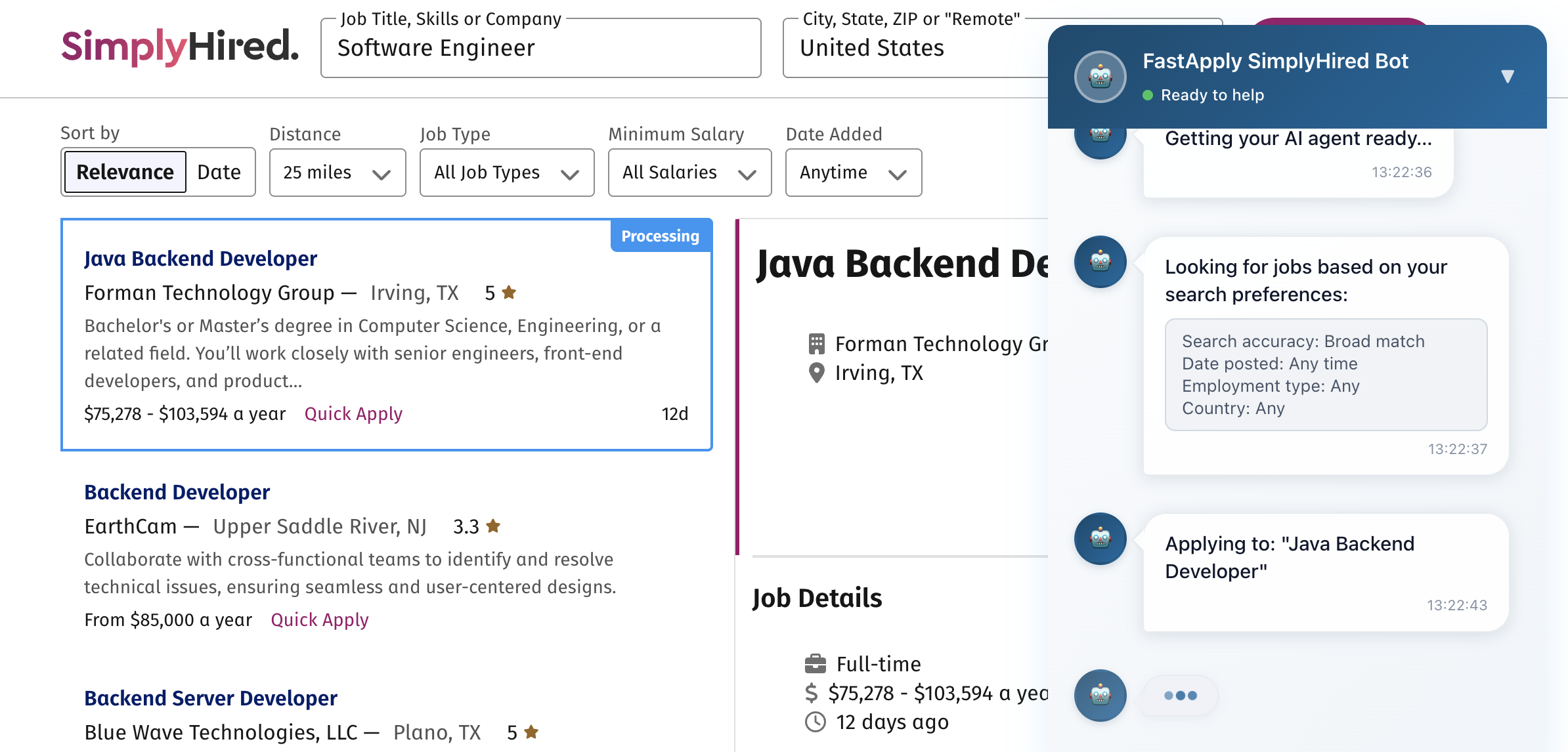
Dubai rewards candidates who move quickly, and FastApply was built around that exact idea. Instead of spending hours applying to jobs one by one, the tool handles the repetitive work for you. It finds relevant roles across platforms, tailors your resume, completes applications, and keeps everything in one place. That means you stay visible in a crowded market without burning out.
Auto Apply Across Multiple Platforms
FastApply scans job boards for openings that match your profile, then sends out applications automatically throughout the day. It feels like having someone applying on your behalf non-stop while you focus on your visa plans, interviews, and networking.
ATS-Optimized Resume Tailoring
FastApply adjusts your resume to fit each job posting so you get past those filters more often. It pulls keywords directly from the role and aligns your experience with what the ATS wants to see.
A Dashboard That Tracks Everything
Instead of guessing where you applied or which roles responded, the dashboard organizes it all. You can see which industries respond fastest, which resume version performs best, and which job boards bring the most interviews.
Faster Responses and Higher Visibility
Recruiters often review the first set of applicants before looking at the rest. FastApply sends your application early, which places you right in that first group more often than not. That alone increases your chances.
Simple Setup
You upload your resume, set your preferences, choose your job titles, and let the system handle the workload. Most users start seeing responses within the first couple of weeks because consistency and speed make a measurable difference.
Now that you understand how FastApply fits into Dubai’s fast-paced hiring culture, let’s cover something just as important. Your resume needs to be optimized for Dubai-specific ATS rules, recruiter expectations, and cultural norms. Here’s how to set that up correctly.
Optimizing Your Profile for Dubai ATS
Dubai hiring follows its own set of expectations. Recruiters look for specific details that might not matter in other countries, and ATS systems are strict about format and keywords. If your resume isn’t structured the way Dubai companies expect, you can lose opportunities even if you’re qualified. The goal here is to make sure your profile gets seen and understood quickly.
Include Photo, Visa Status, and Nationality
Like we said, a professional photo is normal in the UAE. Your visa status matters because it tells companies how fast they can hire you. Nationality helps recruiters understand relocation, language fit, and salary expectations.
Your header should include:
- Full name
- Phone number with UAE code if possible
- Professional photo
- Nationality
- Current visa type
- Location (Dubai or your current country)
Keeping this information visible removes uncertainty and gets you more callbacks.
Use Dubai-Specific Keywords
For example, hospitality roles often require “guest relations” and “front office operations.” Tech roles prioritize “API integration,” “cloud services,” and “DevOps.”
Your resume needs to reflect the exact language used in Dubai job postings. That’s how you pass ATS filters. A quick way to do this is to pull keywords directly from roles you’re applying to and incorporate them naturally into your achievements.
Keep Formatting Simple
Dubai ATS systems struggle with heavy designs and unusual formatting. Stick to simple fonts, clean sections, and a layout that’s easy to parse. Avoid text boxes, graphics, and multi-column designs that can break in the system. Recruiters in Dubai move fast. A clean resume gives them what they need without slowing them down.
Align Your Experience With Dubai Standards
Instead of writing general tasks, rewrite your experience to highlight impact. Use short bullets that show results, performance, and scale. For example:
- Managed 30 client accounts with a 92 percent retention rate
- Increased lead conversion by 27 percent within one quarter
- Handled daily operations for a team of 15 staff members This style works across all Dubai sectors.
Adjust Your Resume for Each Industry
If you’re applying to roles across multiple industries, prepare two or three resume versions. A general resume rarely performs well here. Your goal is simple. Make the recruiter feel like your resume was written exactly for their job. When that happens, you move forward faster.
Now that your resume is aligned with Dubai’s expectations, the next step is building a structured job search plan. Let’s put together a simple 30-day strategy that helps you get traction quickly.
30-Day Dubai Job Blitz
We’re going to map out a clear, realistic 30-day plan you can follow to get traction in Dubai faster. This structure helps you stay consistent, apply at scale, and position yourself for interviews even if you’re starting from scratch. Most people apply randomly and hope something lands. Dubai rewards the opposite. You need volume, focus, and predictable weekly actions. When you follow a system like this, you avoid burnout and keep your application flow steady, which is exactly what leads to interviews in 2026.
Week 1: Set Your Foundation
You’re getting your documents ready, updating your profiles, and building a setup that makes the next few weeks easier.
Your Week 1 checklist:
- Create a Dubai-optimized resume
- Prepare two to three versions for different industries
- Update LinkedIn with a clear headline and photo
- State your visa status clearly on all platforms
- Upload your resume to major UAE job boards
- Set up FastApply and configure your job preferences
- Identify 20 target companies in your industry
By the end of this week, your system is ready. Everything becomes easier after this part is done.
Week 2 and 3: High-Volume Applications and Networking
Dubai is a numbers game. The more consistent you are, the faster you see results.
Your Week 2 and 3 actions:
- Apply to 40 to 80 jobs per week through FastApply and manual targeting
- Connect with 10 professionals on LinkedIn each week
- Join industry-specific Dubai WhatsApp or Telegram communities
- Attend at least one virtual or in-person networking event
- Follow up on applications from Week 1
- Adjust your resume based on response patterns
Most people stop here because it feels like a lot. But if you follow this rhythm, your visibility increases dramatically. Dubai recruiters notice consistency.
Week 4: Interview Prep and Second Round Momentum
You’ll start preparing for interviews, continuing your applications, and keeping your pipeline active.
Your Week 4 checklist:
- Review the companies that responded
- Research each company’s culture and leadership
- Practice Dubai-specific interview questions
- Prepare answers about relocation, salary expectations, and start date
- Continue applying to 20 to 30 jobs this week
- Follow up with recruiters who viewed your LinkedIn
By the end of this month, you should see a mix of callbacks, screenings, and first-round interviews. And even if you’re still waiting, your system is now solid enough to keep generating results. Once you have your 30-day plan, the next step is understanding what actually drives success in Dubai. Let’s break down what gets real results in this market.
The Bottom Line: What Gets Results in Dubai
Before we wrap up, let’s simplify everything into what actually drives success in Dubai’s job market. People overcomplicate the process, but when you look at thousands of applications and real hiring data, the pattern is clear. The people who get hired fastest are the ones who combine volume, strategy, and visibility.
The Winning Combination Getting hired in Dubai in 2026 comes down to a balanced approach. Each part plays a different role, and when you mix them the right way, you get momentum.
What works best:
- 60 percent fast apply for volume and speed
- 30 percent customized applications for target companies
- 10 percent networking efforts for high-conversion referrals
Volume gets your resume in front of more recruiters, and personalization gets you into the serious shortlist. Networking gets you conversations you cannot get through applications alone. When all three are working together, you consistently move forward, even in a crowded market.
Free Tools Checklist Here’s a quick list of free tools that help streamline your Dubai job search without added cost. These cover applying, tracking, editing, and staying organized.
Tools you should have set up:
- Indeed
- Google Sheets or Notion for tracking
- Grammarly for clean applications
- UAE job boards like Dubizzle Jobs or GulfTalent (free versions)
These alone won’t get you hired, but they remove friction and help you stay consistent every day.
Paid Tools Worth Considering If you want to move faster and reduce the time spent on manual tasks, a few paid tools can help. These are worth it if you’re applying seriously or working on a tight timeline.
Useful upgrades:
- FastApply for AI-assisted applications at scale
- Jobs in Dubai for Indians: how to apply from India if you are applying before you arrive
- LinkedIn Premium for additional visibility and InMail
- Resume review or rewrite service for ATS optimization
You don’t need all of them, but even one upgrade can speed you up in a market as competitive as Dubai.
Timeline Expectations Dubai’s hiring process can be fast, but it’s rarely instant. Understanding the average timeline keeps your expectations realistic and helps you stay consistent. Here’s what most job seekers experience:
- Entry-level roles: around 1 to 2 months
- Mid-level positions: roughly 2 to 3 months
- Senior or specialized roles: often 3 to 5 months
You can move faster if you have referrals, an in-demand skill set, or a visa status that lets you start immediately.
#Dubai job search
#How to find a job in Dubai
#Dubai job market 2026
#jobs in Dubai
#Dubai job search tips
#best job boards Dubai
#entry level jobs Dubai
#Dubai tech jobs
#remote jobs Dubai
#ai job application tools
#automated job applications
#auto apply ai jobs
#Dubai hiring trends
#Dubai career advice
#job search strategy Dubai

FastApply Team
AI/ML Engineers